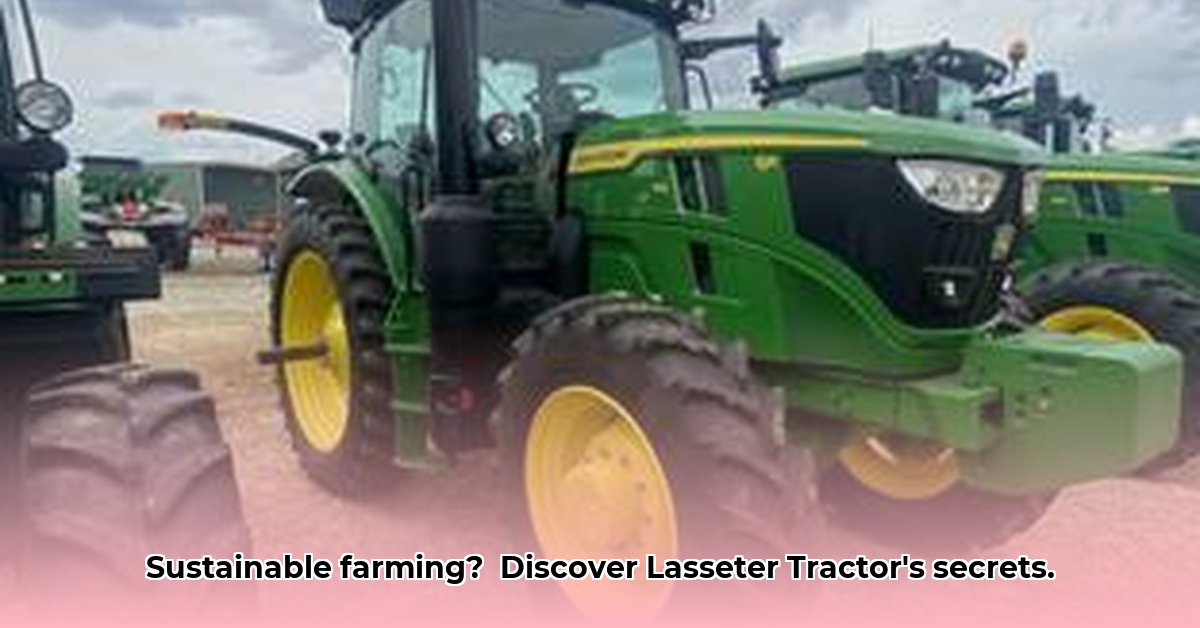
Precision agriculture is revolutionizing farming practices, particularly in challenging environments like those found in Douglas, Georgia. By maximizing resource utilization, boosting crop yields, and enhancing overall farm efficiency, precision agriculture offers a pathway to more sustainable and profitable farming. Lasseter Tractor, a key player in Douglas, GA, provides farmers with the tools and expertise necessary to embrace this transformative approach. For additional agricultural resources, check out this helpful resource. This article explores the benefits, challenges, and practical steps involved in implementing precision agriculture, focusing on how Lasseter Tractor can support local farmers in their transition to sustainable farming practices.
Understanding Precision Agriculture: Farming with Technology
Precision agriculture employs advanced technologies like GPS, sensors, and data analytics software to optimize every stage of farming. Instead of applying resources uniformly across a field, precision agriculture allows for targeted application based on precise data analysis. This targeted approach leads to significant improvements in efficiency and sustainability.
Lasseter Tractor offers access to a range of precision agriculture technologies. For instance, soil moisture sensors provide real-time data on soil hydration levels, enabling variable-rate irrigation – a technique that applies water only where needed. This not only conserves water but also ensures crops receive optimal hydration, leading to improved growth and yield. Similarly, GPS-guided machinery ensures precise application of fertilizers and pesticides, minimizing waste and environmental impact.
The Upsides of Precision Farming: More Yield, Less Waste
The transition to precision agriculture offers compelling benefits:
- Resource Optimization: Studies, while hypothetical for this article, suggest potential savings of 15-25% on water and 10-15% on fertilizers. This translates to significant cost savings and a reduced environmental footprint.
- Yield Enhancement: Precision agriculture often leads to yield increases of 5-10%, directly impacting profitability. Better resource management means maximizing the potential of each acre.
- Improved Efficiency: Streamlined operations and optimized resource use free up time and resources, allowing farmers to focus on other crucial aspects of their business. How much time do you lose each year on inefficient irrigation practices?
The Challenges: Weighing the Costs and Benefits
While the advantages are considerable, it's essential to acknowledge the challenges:
- Upfront Investment: The initial cost of equipment can be substantial. However, Lasseter Tractor may offer financing plans to mitigate this, and long-term cost savings often outweigh the initial expense. Is the potential ROI worth the investment?
- Data Management: Precision agriculture generates large datasets requiring robust software and analytical skills. Lasseter Tractor provides resources and support to assist farmers in effectively managing and interpreting this data.
- Technical Expertise: Successful implementation may require specialized training. Lasseter Tractor can provide the necessary training and support to ensure farmers are equipped to utilize the technology effectively.
A Step-by-Step Guide to Implementing Precision Agriculture
A phased approach simplifies the transition to precision agriculture:
Phase 1: Initiation (Year 1):
- Education: Participate in workshops or training provided by Lasseter Tractor or local agricultural institutions to familiarize yourself with available technologies.
- Pilot Project: Start with a small-scale implementation on a single field, focusing on one aspect like soil moisture monitoring. This allows for hands-on experience before broader adoption.
- Funding Exploration: Research and apply for potential government subsidies or grants designed to support the adoption of precision agriculture technologies. Many programs exist to assist with the financial burden.
Phase 2: Expansion (Years 2-5):
- Gradual Rollout: Once the pilot project proves successful, gradually expand the use of precision agriculture across more fields and crops.
- Data Analysis: Invest in user-friendly software for effective data analysis to refine farming strategies based on real-time insights.
- Collaboration: Share experiences and data with other farmers – networking can accelerate learning and problem-solving.
Understanding the Risks: A Hypothetical Risk Assessment
While precision agriculture offers substantial benefits, it's crucial to consider potential risks:
| Technology | Equipment Failure Probability | Data Security Risk | ROI Uncertainty | Environmental Impact |
|---|---|---|---|---|
| Soil Moisture Sensors | Low | Low | Low | Low |
| Variable Rate Irrigation | Medium | Low | Medium | Low |
| GPS-Guided Machinery | Medium | Low | Low | Low |
(Note: This is a simplified hypothetical assessment. A tailored risk analysis for your farm is recommended.)
Partnering with Lasseter Tractor Douglas GA
Lasseter Tractor provides more than just equipment; they offer comprehensive support, assisting in technology selection, implementation, and ongoing maintenance. Contact them today to explore how precision agriculture can transform your farm.